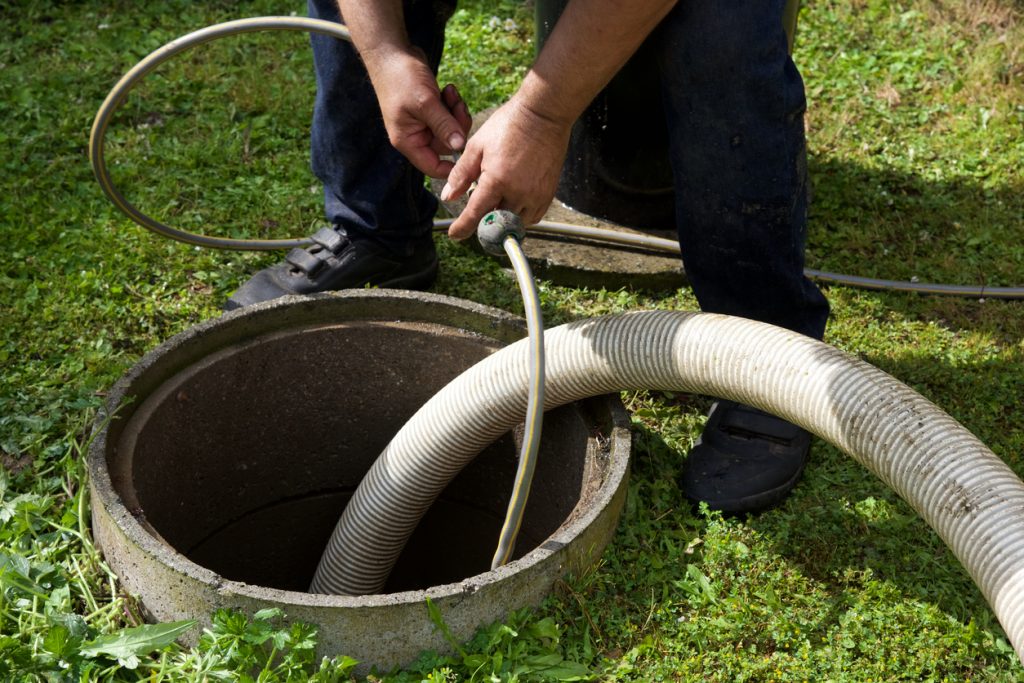
What’s the Danger of Septic Tank Smells Inside Your House and How to Prevent It

What’s the Danger of Septic Tank Smells Inside Your House and How to Prevent It

The Danger of Septic Tank Smells Inside Your House and How to Prevent It

The presence of septic tank odors inside your house is not just an unpleasant nuisance; it can be a sign of a serious issue that requires immediate attention. Septic tank smells are often a sign of a malfunctioning system, potentially posing health risks and jeopardizing the integrity of your home's foundation.

Understanding the causes of septic tank smells and implementing preventive measures is crucial to maintaining a healthy and comfortable living environment. This comprehensive guide explores the dangers associated with septic tank smells, the potential causes, and the steps you can take to mitigate these problems.

The Dangers of Septic Tank Smells

Septic tank smells, often described as a pungent, rotten egg odor, are usually associated with hydrogen sulfide gas (H2S). This gas is highly toxic, even at low concentrations, and prolonged exposure can lead to various health complications.

Health Risks

Exposure to hydrogen sulfide gas can have serious consequences, particularly for individuals with respiratory conditions or sensitivities. Here are some of the potential health risks:

  • Respiratory Issues: H2S gas can irritate the respiratory system, causing coughing, wheezing, shortness of breath, and even pneumonia.
  • Eye and Skin Irritation: Contact with H2S gas can cause irritation, redness, and burning in the eyes and skin.
  • Neurological Effects: High levels of H2S gas can affect the nervous system, leading to headaches, dizziness, confusion, and even unconsciousness.
  • Cardiovascular Issues: H2S gas can also impact the cardiovascular system, increasing heart rate and blood pressure, and potentially leading to arrhythmias.

Environmental Concerns

Apart from the health risks, septic tank smells can also indicate environmental issues:

  • Contaminated Groundwater: A leaking septic tank can contaminate groundwater, posing a risk to drinking water supplies and the surrounding ecosystem.
  • Soil Pollution: Septic tank effluent, if not properly treated, can pollute the soil, harming plant life and creating a breeding ground for harmful bacteria.

Causes of Septic Tank Smells

Septic tank odors inside your house usually indicate a problem with the septic system. Several factors can contribute to this issue, including:

1. Overloading the System

Using excessive amounts of water, like running multiple appliances simultaneously, can overload the system and cause the tank to back up, leading to odors.

2. Improper Maintenance

A lack of regular maintenance, including pumping the tank every 3-5 years, can result in a buildup of sludge and scum, leading to odors and potential blockages.

3. Leaking Pipes

Cracked or leaking pipes within the septic system can allow sewage to escape and release foul odors into the house.

4. Broken Vent Stack

The vent stack, a pipe extending from the septic tank to the roof, allows gases to escape safely. A broken vent stack can prevent proper ventilation, leading to odor buildup inside the house.

5. Clogged Drainfield

The drainfield, where treated effluent is discharged into the soil, can become clogged with debris or sludge, hindering proper drainage and causing odors to rise.

6. Septic Tank Failure

In severe cases, the septic tank itself might be failing due to age, damage, or improper installation. This can cause leaks and overflows, leading to strong odors.

How to Prevent Septic Tank Smells

Preventing septic tank smells is essential for maintaining a healthy and odor-free home. Here are some preventive measures you can take:

1. Regular Maintenance

Regularly pumping the septic tank is crucial for preventing the accumulation of sludge and scum. Aim to pump the tank every 3-5 years, or more frequently if you have a large family or use a lot of water.

2. Proper Water Usage

Avoid overloading the septic system by limiting water usage during peak hours. For example, run laundry machines and dishwashers at different times, and be mindful of long showers or baths.

3. Avoid Flushing Harmful Substances

Do not flush items like grease, oil, coffee grounds, feminine hygiene products, or disposable wipes down the drain as they can clog the system and lead to odors.

4. Inspect and Repair Leaks

Regularly inspect the pipes and fittings in your septic system for leaks. If you notice any signs of leakage, get them repaired promptly to prevent odors and environmental contamination.

5. Check the Vent Stack

Ensure the vent stack is intact and functioning properly. Check for any blockages or damage that may be preventing proper ventilation.

6. Use Septic Tank Additives

Using septic tank additives can help break down organic matter and reduce odor-causing bacteria. However, choose additives specifically designed for septic systems and follow the manufacturer's instructions.

7. Implement a Septic System Inspection

Conduct a thorough inspection of your septic system at least once a year. This allows you to identify potential issues early on and prevent them from escalating into serious problems.

Conclusion

Septic tank smells are not only unpleasant but also indicative of a potential health hazard and environmental concern. By understanding the dangers of septic tank odors, recognizing the causes, and taking preventive measures, you can ensure the safety and well-being of your family and the environment. Regularly maintain your septic system, use water wisely, and address any signs of malfunction promptly to create a healthy and comfortable living environment for years to come.

Septic Tank Smell Solutions for Homes with Frequent Odors

Septic Tank Smell Solutions for Homes with Frequent Odors

Banishing the Unpleasant: Septic Tank Smell Solutions for Homes

A septic tank is an unsung hero of homeownership, silently processing wastewater. However, when a septic system malfunctions, its presence becomes glaringly obvious â€" a pungent, unpleasant odor permeates your home. If you're battling persistent septic tank smells, don't despair. This guide offers practical solutions to effectively combat the odor and restore peace to your home.

Common Causes of Septic Tank Smells

Before diving into solutions, understanding the source of the odor is crucial. Septic tank smells typically arise from these common culprits:

1. Overloading the System

When your septic tank is overloaded, it struggles to process waste efficiently. This can lead to raw sewage backing up and emitting foul odors. Contributing factors include:

  • Excessive water usage â€" long showers, frequent laundry, and running water unnecessarily contribute to the problem.
  • Large families or frequent guests â€" a greater volume of waste overwhelms the tank.
  • Improper waste disposal â€" pouring grease or oil down the drain clogs the system.

2. Clogged Drain Field

The drain field, responsible for filtering wastewater, can become clogged due to:

  • Tree roots â€" intrusive tree roots can damage drain field pipes.
  • Sediment buildup â€" over time, sediment from the tank can accumulate in the drain field, hindering drainage.
  • Improper installation â€" incorrect installation or poor soil conditions can lead to drainage issues.

3. Faulty Tank Components

Cracks or leaks in the tank or its components allow sewage to escape and release foul odors.

Practical Solutions to Eliminate Septic Tank Smells

Armed with knowledge of the potential sources, let's address the problem head-on:

1. Address Overloading

Reduce your water usage wherever possible:

  • Take shorter showers and baths.
  • Wash full loads of laundry instead of smaller ones.
  • Fix leaky faucets promptly.
  • Use water-efficient appliances.

Properly dispose of waste:

  • Avoid pouring grease or oil down the drain.
  • Use garbage disposals sparingly.
  • Flush only toilet paper, not wipes or other materials.

2. Maintain the Drain Field

Keep your drain field healthy:

  • Avoid planting trees or shrubs near the drain field.
  • Ensure proper landscaping around the drain field to prevent water runoff.
  • Consider periodic drain field inspections to detect potential issues early.

3. Inspect Tank Components

Regularly check for leaks or cracks:

  • Visually inspect the tank and surrounding components for signs of damage.
  • If you notice any leaks or cracks, seek professional repair services immediately.

4. Use Septic Tank Additives

Septic tank additives can help break down waste and prevent odor build-up:

  • Choose additives specifically formulated for septic tanks.
  • Follow the manufacturer's instructions carefully.
  • Regularly add additives to maintain optimal tank performance.

5. Employ Home Remedies

Some home remedies can temporarily mask or neutralize odors:

  • Boil a pot of water with vinegar and baking soda on the stove.
  • Place bowls of baking soda or activated charcoal around the house.
  • Use essential oil diffusers with pleasant scents like lavender or citrus.

Seeking Professional Assistance

While home remedies can offer temporary relief, persistent septic tank odors often require professional attention. If the problem persists, don't hesitate to contact a qualified septic tank professional. They can:

  • Perform a thorough inspection of your septic system.
  • Identify the root cause of the odor.
  • Recommend appropriate solutions and repairs.

Remember, a well-maintained septic system is essential for a healthy and comfortable home. By proactively addressing septic tank smells, you can ensure a clean and odor-free living environment for years to come.

How to Eliminate Septic Tank Smells Inside Your House

How to Eliminate Septic Tank Smells Inside Your House

The Great Septic Tank Smell Battle: A Guide to Winning

Let's face it, a septic tank smell inside your house is not exactly a "home sweet home" vibe. It can be embarrassing, unpleasant, and frankly, a little scary. But before you call a plumber (and potentially face a hefty bill), there are some things you can do to conquer that stench. Let's dive in and get your home smelling fresh again!

The Usual Suspects: Identifying the Source of the Smell

The first step is to figure out where the smell is coming from. You might think "duh, it's the septic system!", but it's not always that straightforward. Here are some common culprits:

1. The Septic Tank Itself

This is the most obvious cause. If the tank is full, or if there's a leak, you're likely to get a distinct "sewage" smell wafting through your house. But how do you know it's the tank? Well, pay attention to where the smell is strongest. Is it concentrated near a drain in your bathroom, kitchen, or laundry room? If so, the septic tank might be the culprit.

2. The Drainfield

The drainfield is the underground system that filters the wastewater from your septic tank. If it's clogged or damaged, the wastewater can back up and cause a nasty smell. This might be less obvious than a tank issue, as the odor might be weaker and spread out more.

3. Plumbing Traps

Don't forget about those tiny, often overlooked plumbing traps! These are U-shaped bends in your plumbing that hold a small amount of water. The water acts as a barrier to prevent sewer gases from entering your home. But if the trap is dry (maybe due to a leaky faucet or infrequent use), that barrier disappears, allowing those unpleasant smells to flow in.

4. Vent Pipes

Think of vent pipes as the "breathing holes" for your plumbing system. They allow sewer gases to escape safely outside your house. If a vent pipe is blocked or damaged, those gases can't escape and might find their way inside.

Tackling the Smell: Practical Tips for Septic Serenity

Now that you know where the smell might be coming from, let's talk about what you can do. Don't worry, most of these are DIY solutions:

1. A Good Old-Fashioned Clean

Sometimes, all it takes is a good cleaning. First, tackle the drainfield area - remove any debris (leaves, sticks) and make sure the ground is clear and sloping away from your house. Next, give your plumbing traps a good scrub with baking soda and vinegar. Finally, check your vent pipes for blockages. If you see any bird nests or debris, gently remove them.

2. The Power of Baking Soda

Baking soda is a natural odor absorber. Sprinkle it around your drainfield and inside your septic tank (you can use a garden hose to direct it down the septic tank opening). This will help to neutralize any lingering smells.

3. Vinegar: A Natural Deodorizer

Pour a cup of vinegar down your drains, especially those near where you notice the smell. Vinegar is acidic and helps to break down grease and grime that can trap odors. Don't forget your kitchen sink, as food scraps can contribute to septic tank smells.

4. Fresh Air is Your Friend

Make sure your house is properly ventilated. Open windows and doors to let fresh air circulate. If you have a bathroom fan, use it frequently, especially after taking a shower. This will help to draw out any lingering odors.

5. Consider a Septic System Enzyme Treatment

Enzyme treatments are available at most hardware stores and are designed to break down waste in your septic tank, reducing odors. Follow the manufacturer's instructions carefully.

6. Beware of Harsh Chemicals

While those "miracle" septic tank cleaners might seem tempting, they often contain harsh chemicals that can actually harm your septic system in the long run. Stick with natural remedies and enzyme treatments.

When To Call in the Pros: Knowing When to Seek Professional Help

Sometimes, DIY just isn't enough. If the smell is persistent, strong, or accompanied by other problems like slow drains or gurgling noises, it's time to call a professional. Here are some warning signs that you should call a plumber:

  • The smell is overwhelming, even after trying the remedies above.
  • You see visible signs of sewage backing up (like a wet spot in your yard or sewage leaking into your basement).
  • You have recurring problems with slow drains or gurgling noises.
  • Your septic tank is more than 15 years old. It might be time for a professional inspection.
  • Preventive Measures: Keeping Your Septic System Happy

    A little prevention goes a long way when it comes to septic system odors. Here are some tips to keep your system running smoothly:

  • Avoid flushing anything other than toilet paper and human waste down the toilet. This includes items like wipes, paper towels, feminine hygiene products, and cotton balls. These items don't break down easily and can clog your system.
  • Use water-soluble detergents and cleaners in your laundry and dishes. Harsh chemicals can damage your septic system.
  • Don't pour grease or oil down the drain. Grease solidifies and can clog your pipes.
  • Don't use a garbage disposal. Garbage disposals add extra waste to your system, increasing the risk of clogs.
  • Get your septic tank pumped regularly. The frequency depends on your system's size and how many people live in your home. A typical recommendation is every 3-5 years.
  • Commonly Asked Questions

    Q: Can a cracked septic tank cause a smell inside the house?

    Absolutely! A cracked septic tank can allow sewage to leak out, which can cause a strong smell inside your house. This is a serious problem that needs professional attention.

    Q: Why is my septic tank suddenly smelling?

    There are many possible causes, like a buildup of solids in the tank, a clog in the drainfield, or a leaking plumbing trap. It's a good idea to check for any obvious issues first (like debris in the drainfield) and then consider calling a professional if you can't pinpoint the problem.

    Q: Can I use bleach to clean my septic system?

    While bleach can kill bacteria, it can also kill the beneficial bacteria in your septic tank that help to break down waste. This can actually make the odor problem worse in the long run. Stick with natural solutions or enzyme treatments.

    Remember, a well-maintained septic system is a happy system. By following these tips and taking preventative measures, you can keep your home smelling fresh and avoid unpleasant surprises. If you have any lingering doubts, always consult a professional!

    Homemade Septic Tank Treatment: Natural Ways to Keep Your System Healthy

    Homemade Septic Tank Treatment: Natural Ways to Keep Your System Healthy

    Homemade Septic Tank Treatment: Natural Ways to Keep Your System Healthy

    Owning a septic system can feel like a constant responsibility. You have to be mindful of what you flush down the toilet and what you pour down the drain. Luckily, there are ways to keep your system healthy without relying on harsh chemicals. Here's a look at some natural methods for septic tank maintenance:

    Harnessing the Power of Microbes

    The foundation of a healthy septic system lies in its microbial community. These tiny organisms break down the waste, converting it into harmless byproducts. You can boost their activity and keep your system running smoothly with these simple steps:

    1. Embrace the Benefits of Bacteria

    Commercial septic tank treatments often rely on chemicals, but you can enhance the microbial ecosystem with natural bacterial solutions. You can find these at many home improvement stores or online. Look for products specifically formulated for septic systems and avoid those containing harmful chemicals like formaldehyde.

    2. Feed Your Microbes

    Just like any living organism, bacteria need food to thrive. A balanced diet for your septic system includes:

    • Avoid excess grease and oil: These substances can form a layer on the surface of your septic tank, suffocating the beneficial bacteria.
    • Limit excessive use of bleach: While bleach can be effective against bacteria, using it too much can disrupt the balance of your septic system, potentially causing harm to the beneficial microbes.
    • Opt for natural cleaning products: Vinegar and baking soda are great alternatives to harsh chemicals.
    • Use a septic-safe toilet paper: Avoid using toilet paper with harsh chemicals or those that are not easily biodegradable.

    Beyond Bacteria: Other Natural Tips

    Maintaining a healthy septic system requires a holistic approach. Here are some additional natural practices that can contribute to its longevity:

    1. Regularly Inspect and Maintain

    Scheduling regular inspections and maintenance can catch small issues before they become major problems. It's recommended to have your septic tank pumped every 3-5 years, but the frequency may vary depending on your system size and usage.

    2. Strategic Landscaping

    Your landscaping can influence your septic system's health. Avoid planting trees and shrubs directly above the tank or drainfield, as their roots can potentially damage the system. Encourage water to drain away from the septic system by creating a slight slope around the tank.

    3. Water Wisely

    While flushing is unavoidable, you can conserve water, reducing the amount of wastewater entering your septic system. This can contribute to a more balanced system. Consider taking shorter showers, fixing leaky faucets, and using low-flow showerheads.

    Keeping Your System Healthy for Years to Come

    By incorporating these natural approaches into your septic system maintenance routine, you can promote a thriving microbial ecosystem, ensuring the efficient and reliable operation of your system for years to come. Remember, prevention is key to a happy septic system!

    How to Manage and Reduce Septic Tank Odors in the Yard

    How to Manage and Reduce Septic Tank Odors in the Yard

    Conquering Septic Tank Odors: A Guide to Fresh Air in Your Yard

    That unmistakable, unpleasant scent wafting from your yard? It's likely coming from your septic tank. While a functioning septic system is essential, the odors it can produce are anything but welcome. But fear not! With some proactive measures, you can eliminate those pesky odors and reclaim the fresh air in your backyard.

    Understanding Septic Tank Odors

    Septic tank odors arise from the breakdown of waste in the tank. Bacteria diligently decompose waste, releasing gases like hydrogen sulfide, ammonia, and methane. These gases can escape the tank through vents, cracks in the system, or even the soil itself, making their way to your nose.

    Tackling the Stinky Situation

    Don't let those odors take over your yard. Here's a comprehensive guide to manage and reduce septic tank odors:

    1. Keep It Clean: Routine Maintenance

    Regular maintenance is key to a healthy septic system. Schedule professional inspections and pumping every 3-5 years, or more frequently if you have a large household or frequently use garbage disposals. A well-maintained system minimizes the buildup of waste that leads to odors.

    2. Be Mindful of What Goes Down the Drain

    Your septic system isn't designed for everything. Avoid flushing:

    • Flushable wipes: These don't decompose like toilet paper and can clog your system.
    • Excessive grease and oil: These solidify in the tank, hindering proper waste breakdown.
    • Hair and other debris: These can clog your drain field and disrupt the system's function.

    Utilize your garbage disposal sparingly, and never pour chemicals or heavy-duty cleaning products down the drain. These can kill beneficial bacteria and disrupt the septic system's delicate balance.

    3. Vent It Out: Proper Ventilation

    Ensure your septic system has a properly functioning vent pipe that extends above the roofline. This allows gases to escape safely into the atmosphere, preventing them from building up in the tank and reaching your yard.

    4. Cover It Up: Landscaping for Odor Control

    Plant aromatic flowers and herbs like lavender, rosemary, or mint around the septic tank and drain field. Their strong scents can mask unpleasant odors.

    Adding a layer of mulch around the septic tank area can also help absorb odors and create a visual barrier.

    5. Fix It Up: Addressing Potential Leaks

    If you suspect a leak in your septic system, call a qualified professional immediately. A leak can allow odors to escape directly into your yard, requiring immediate repair.

    Don't Let Septic Odors Rule Your Yard

    By implementing these simple steps, you can effectively manage and reduce septic tank odors, ensuring your yard remains a fresh and inviting space. Remember, routine maintenance and responsible usage are the most effective ways to keep your septic system running smoothly and odor-free.

    How to Remove Bad Smell from Your Septic Tank

    How to Remove Bad Smell from Your Septic Tank

    How to Remove Bad Smell from Your Septic Tank: A Guide to Keeping Your Home Fresh

    Let's face it: no one wants to deal with a stinky septic tank. That unpleasant odor that wafts through your house or yard can be embarrassing and frankly, just plain gross. But before you call a plumber in a panic, understand that a bad smell doesn't always mean disaster. There are a few things you can do to tackle the problem yourself and keep your septic system running smoothly.

    So, what's causing that funky aroma? It's all about the bacteria. Your septic tank is a miniature ecosystem, home to billions of hardworking microorganisms. These bacteria break down waste and keep the system flowing. The problem arises when there's an imbalance in the ecosystem, leading to an overgrowth of certain bacteria that produce unpleasant odors.

    Don't worry, we'll walk you through the steps you can take to restore the balance and banish that awful smell. Ready to fight back against septic stink? Let's get started!

    Understanding Your Septic Tank

    Before we dive into solutions, let's take a quick peek inside your septic system. It's essentially a two-part setup:

    • The Septic Tank: This is the first stop for wastewater. It's a large, underground container where solids settle to the bottom, forming sludge. The liquid portion, called effluent, flows to the next stage.
    • The Drain Field: This is where the treated effluent goes. It's a network of underground pipes and trenches filled with gravel or sand, allowing the water to slowly seep back into the ground.

    The bacteria in your septic tank play a crucial role in breaking down waste, but sometimes they need a little help. Let's explore how to make your system work for you.

    Causes of Septic Tank Odors

    Understanding the common culprits behind septic tank smells is key to finding the right solution. Here are the most likely suspects:

    Overloading the System

    Think of your septic tank like a bathtub. If you pour in too much water, it'll overflow. Similarly, overloading your septic tank with too much waste can lead to a backup and unpleasant odors.

    Broken or Clogged Drain Field

    The drain field is crucial for filtering wastewater. If it's clogged or damaged, the effluent won't drain properly, creating a breeding ground for odor-producing bacteria.

    Lack of Proper Bacteria Balance

    Your septic tank relies on a delicate balance of bacteria to break down waste. If the population of "good" bacteria dwindles, the "bad" bacteria can take over, causing a foul smell.

    Improper Septic Tank Maintenance

    Just like any appliance, your septic tank needs regular maintenance to stay healthy. Neglecting regular pumping and inspections can lead to issues that cause odors.

    DIY Solutions to Combat Septic Tank Odors

    Don't panic! Before you call in the professionals, there are some things you can do to tackle that stink yourself.

    1. Practice Good Septic Habits

    Making small changes in your daily routine can go a long way. Try these tips:

    • Limit Water Usage: Be mindful of water-intensive activities like long showers and running the dishwasher.
    • Avoid Flushing Problematic Items: Don't flush items like wipes, paper towels, or feminine hygiene products. These can clog your system and disrupt the bacteria balance.
    • Use Septic Tank-Safe Products: Opt for cleaning products labeled as "septic tank safe" to avoid harming the beneficial bacteria.

    2. Boost Bacteria Power

    Your septic tank's bacteria are your secret weapon against odors. You can help them thrive by adding beneficial bacteria supplements.

    • Commercial Septic Tank Additives: There are a variety of products available that contain live bacteria, enzymes, and other ingredients designed to break down waste and reduce odor.
    • Natural Solutions: You can also try natural methods to add bacteria. For example, sprinkling a cup of baking soda down your toilet once a week can help create a more hospitable environment for beneficial bacteria.

    3. Deodorize Your Drain Field

    While it's not ideal to apply harsh chemicals directly to your septic tank, you can sometimes deodorize the drain field with a mixture of baking soda and water. Pour a few cups of this mixture down your toilet or a nearby drain. Be cautious not to over-use this method, as it can disrupt the natural bacteria balance.

    When to Call a Professional

    While you can try these DIY solutions, it's important to know when to call in a professional septic tank technician. If the smell persists despite your efforts, or if you notice any of these warning signs, it's time to seek help:

    • Recurring Odors: If the smell comes back after a few days or weeks, it's likely there's a bigger issue.
    • Gurgling Sounds: This could indicate a clog or blockage in your system.
    • Slow Drains: If water drains slowly in your sinks, tubs, or toilets, it might be a sign of a clogged drain field.
    • Sewer Backup: If wastewater backs up into your home, you need immediate professional help.

    A professional septic tank technician can perform a thorough inspection, identify the root cause of the problem, and recommend the best course of action.

    Prevention is Key

    The best way to avoid the hassle of septic tank odors is to practice preventative maintenance. Here's a quick checklist:

    • Regular Pumping: Have your tank pumped every 3-5 years, depending on your household size and water usage.
    • Annual Inspections: Schedule a yearly inspection to ensure your system is in good working order.
    • Avoid Overloading: Stick to septic tank-safe practices to keep the system running smoothly.

    By taking care of your septic system, you can ensure a fresh-smelling home and avoid costly repairs down the line.

    Remember, a well-maintained septic system is a happy septic system. By understanding its workings and taking a proactive approach, you can say goodbye to those unwanted septic tank odors and enjoy a clean and comfortable home.

    How to Fix Septic Tank Odor from Your Outdoor Drains

    How to Fix Septic Tank Odor from Your Outdoor Drains

    The Stinky Situation: Fixing Septic Tank Odor from Your Outdoor Drains

    Ugh, that smell! You know the one. That unmistakable, pungent aroma that wafts from your outdoor drains and makes you want to hold your breath. It's not just unpleasant; it can be a sign of a bigger problem with your septic system. The good news is, with a little know-how and some elbow grease, you can banish that septic odor and keep your outdoor drains smelling fresh. Let's get into the nitty-gritty!

    The Root of the Problem: Where's the Stink Coming From?

    First things first, let's figure out why your drains are giving off that funky smell. The culprit? It's often a build-up of gunk â€" a nasty mix of hair, soap scum, food particles, and other debris â€" that creates the perfect environment for bacteria to thrive. These bacteria release the stinky gases we all know and love (or rather, don't love!).

    The Role of Your Septic System

    Your septic system is like a miniature wastewater treatment plant in your backyard. It's designed to separate solids from liquids and break down organic matter. When the system is functioning well, waste is treated, and the clean water is discharged to your yard. However, if your septic system is overwhelmed or has issues, things can start to back up, leading to those unpleasant odors.

    The Connection to Your Outdoor Drains

    Think of your outdoor drains as entry points for your septic system. When you pour water down the drain, it's supposed to flow freely into the septic tank. But, if the drain is clogged or there's a blockage in the septic line, water can back up and start to stink.

    Tackling the Problem: How to Fix Septic Tank Odor from Outdoor Drains

    Alright, enough with the stink! Let's get down to business and fix this problem. Here's a multi-pronged approach to conquer those odorous drains:

    1. Drain Cleaning: Get Rid of the Gunk!

    The most common culprit for smelly drains is a build-up of gunk. You can often tackle this yourself using a combination of methods:

    • Boiling water: Pouring a pot of boiling water down the drain can help loosen up grease and grime.
    • Baking soda and vinegar: This classic cleaning combo is a great natural drain cleaner. Pour a cup of baking soda followed by a cup of vinegar down the drain, let it fizz for a few minutes, and then flush with hot water.
    • Drain snake: A drain snake is a tool used to break up blockages and remove debris. It's available at most hardware stores.
    • Chemical drain cleaners: While effective, be cautious with chemical drain cleaners. Use them sparingly and always follow the instructions on the label. These cleaners can be harsh on pipes and can be harmful to the environment.

    2. Septic Tank Maintenance: Keep it Running Smoothly!

    A healthy septic system is key to preventing drain odors. Here are some tips:

    • Regular pumping: Septic tanks should be pumped every 3-5 years, depending on usage. A full septic tank can lead to backups and smelly issues.
    • Avoid harsh chemicals: Avoid using harsh chemicals like bleach and disinfectants, as they can kill the beneficial bacteria in your septic tank.
    • Proper landscaping: Make sure your septic system is properly landscaped to prevent water runoff and erosion.

    3. Address Potential Blockages: It's Not Just the Drain!

    The problem could be a blockage somewhere between your drain and your septic tank. Here's what to check:

    • Inspect drain pipes: Look for any visible cracks or breaks in the drain pipes leading from your outdoor drain to your septic tank.
    • Check for tree roots: Tree roots can grow into your septic lines and cause blockages. This often requires professional help to repair.

    Prevention is Key: Avoiding Future Stinky Situations

    Once you've dealt with the smelly situation, it's time to put preventative measures in place to keep things fresh:

    • Be mindful of what you drain: Avoid pouring grease, oil, and other heavy materials down your outdoor drains, as these can clog pipes and contribute to odor.
    • Use a drain cover: A drain cover can help prevent debris from entering your drains in the first place.
    • Regular cleaning: Clean your outdoor drains regularly, even if they don't seem clogged, to prevent the build-up of gunk.
    • Monitor your septic system: Keep an eye on your septic system for signs of trouble, such as slow drains, gurgling noises, or excessive lawn growth. If you notice any of these issues, contact a septic professional as soon as possible.

    When to Call in the Pros: Don't Be Afraid to Seek Help!

    Sometimes, DIY solutions aren't enough. If you've tried everything and the stink persists, it's time to call in the experts. A septic professional can inspect your system, identify the root cause of the odor, and recommend the best course of action. Here are some signs it's time to call a professional:

    • Persistent odor: If the smell doesn't improve after cleaning your drains and performing septic maintenance, it's likely a bigger issue.
    • Visible drain backups: If you see water backing up into your drain, it's a sign of a serious blockage that requires professional attention.
    • Ongoing septic issues: If you're experiencing other septic problems, like slow drains, gurgling noises, or excessive lawn growth, it's wise to get a professional opinion.

    Remember, a healthy septic system is essential for your home's well-being. By taking proactive steps to address septic tank odor from your outdoor drains and maintaining your septic system, you can keep your home smelling fresh and avoid any potential problems down the road. Happy smelling!